
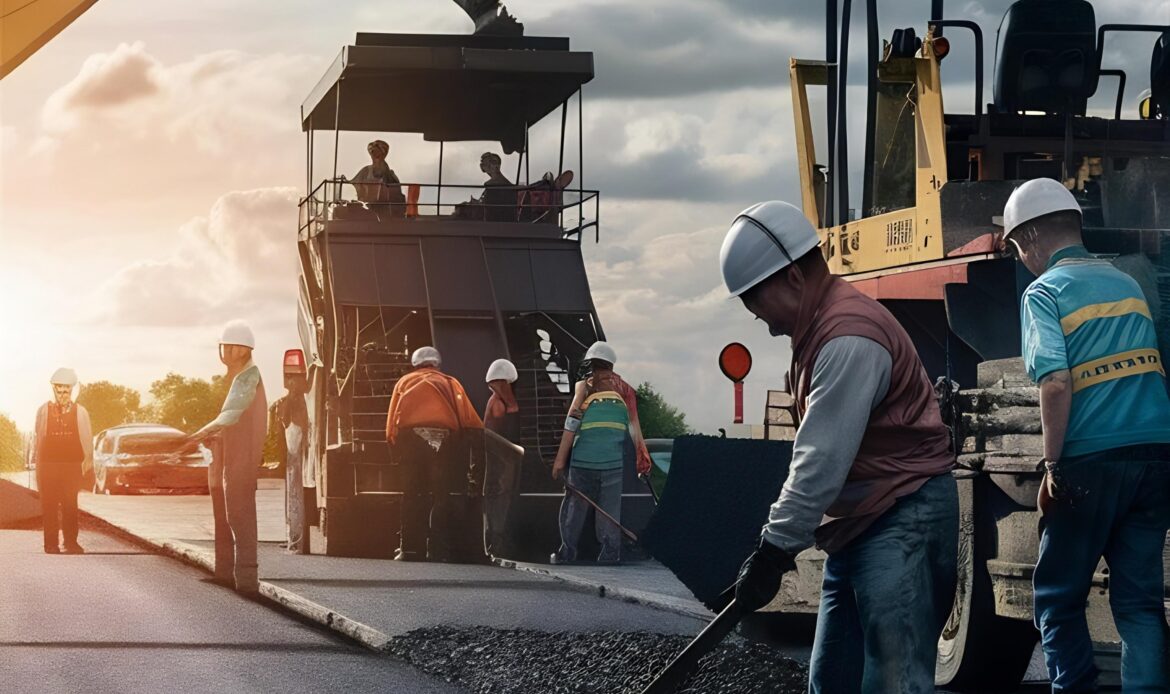
In the construction and infrastructure sector, there are two fundamental terms that are often mentioned: asphalt and bitumen. Although they are frequently used interchangeably, these two materials actually serve different functions and have distinct properties. At Güven Asfalt, we provide a detailed look at the differences between asphalt and bitumen.
What is Bitumen?
Bitumen is a black, dense, and sticky substance obtained from crude oil. Thanks to its binding properties, it is primarily used in asphalt production. Bitumen binds aggregates together to create a durable surface. Its flexible structure allows it to adapt to temperature changes. Additionally, it is resistant to water, which extends the lifespan of roads.
What is Asphalt?
Asphalt is a ready-to-use paving material produced by mixing bitumen with mineral aggregates in specific proportions. In other words, bitumen is a component of asphalt. Asphalt is widely used on city streets, highways, airport runways, and parking lots. Its durability, smooth texture, and ease of application make it an indispensable material in modern infrastructure.
Key Differences Between Asphalt and Bitumen
Definition: Bitumen is a binder, whereas asphalt is a mixture of bitumen and aggregates.Usage: Bitumen alone is not a paving material; it serves as the binder in asphalt production.Appearance: Bitumen is black, dense, and sticky, while asphalt is typically solid and in a mixed form.Application Areas: Bitumen can also be used in waterproofing and industrial coatings, whereas asphalt is mainly preferred for road construction.
The Role of Asphalt and Bitumen in Road Construction
In road construction, asphalt is the most commonly used material, but the key element that provides its durability is bitumen. Bitumen binds the aggregates in the asphalt mixture, helping the surface remain strong and resilient. This creates roads that allow vehicles to travel safely and comfortably.

Comparison of Advantages
Advantages of Bitumen:
Its flexible structure provides resistance to cracking.
Waterproof properties protect the underlying infrastructure.
Various types allow adaptation to different climate conditions.
Advantages of Asphalt:
Easy and quick to apply.
Cost-effective and reduces maintenance expenses.
Recyclable and environmentally friendly.
Smooth surface enhances driving comfort.
Common Mistake: Asphalt = Bitumen
Among the public, bitumen and asphalt are often used interchangeably. Technically, however, asphalt is a mixture that includes bitumen. Bitumen alone does not form a road surface; it is one of the essential components of asphalt.
Distinctive Solutions with Güven Asfalt
At Güven Asfalt, we produce high-quality bitumen and asphalt in our modern facilities, serving both domestic and international projects. Our materials, manufactured with advanced technologies, are preferred for long-lasting and durable roads.
The Role of Bitumen in Asphalt Production
Asphalt and bitumen are two distinct yet complementary materials. While bitumen serves as a binder, asphalt combines bitumen with aggregates to create a durable paving material. The use of both materials together in road construction ensures the reliability and longevity of modern infrastructure.