
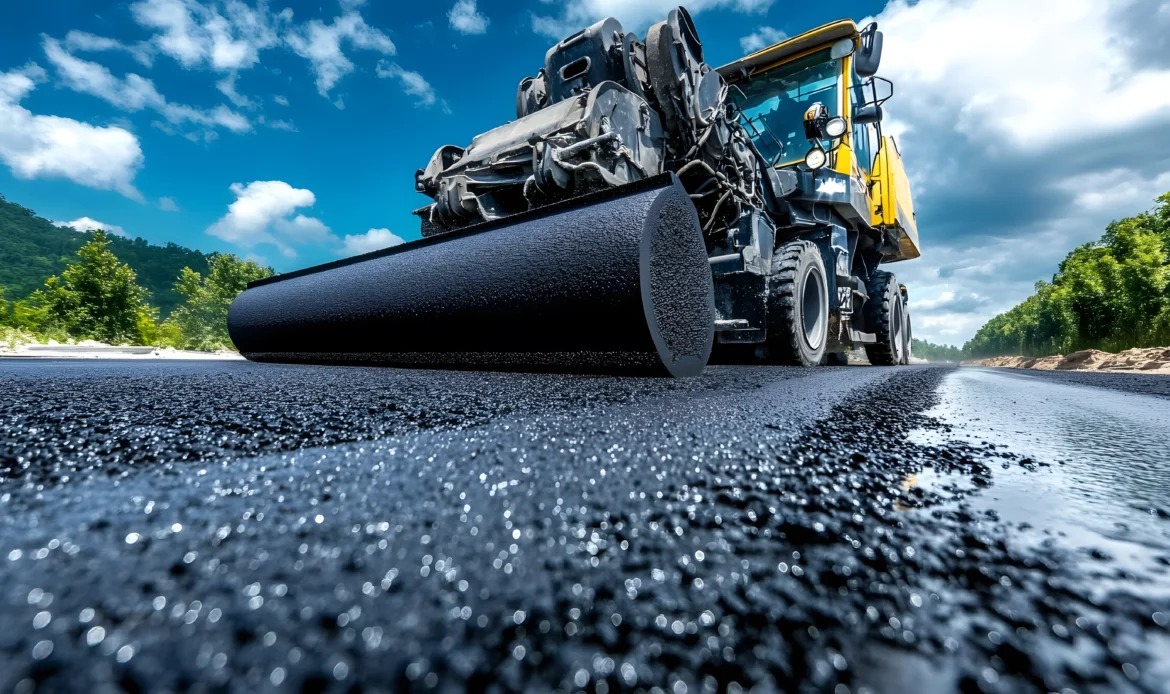
What Is Bitumen?
Bitumen is a black, adhesive, and highly viscous hydrocarbon-based binding material obtained through the refining of crude oil. It is primarily used as a key component in road construction, asphalt production, and waterproofing applications.
Bitumen binds aggregates together, providing road surfaces with durability, flexibility, and waterproofing properties. For this reason, it is an indispensable material in modern infrastructure projects.
How Is Bitumen Produced?
Bitumen is produced in oil refineries through atmospheric and vacuum distillation processes. After crude oil is separated, bitumen is obtained as the heaviest fraction.
During production:
- Temperature control is maintained
- Penetration value is adjusted
- Softening point is tested
- Viscosity measurements are performed
These technical parameters are determined according to the intended application of the bitumen.
This is why understanding what bitumen is is critically important in infrastructure projects.
What Are the Types of Bitumen?
Bitumen types are categorized based on their intended use and technical characteristics.
1. Penetration Grade Bitumen (50/70)
This is the most widely used type of bitumen, particularly preferred in hot mix asphalt production. In Türkiye, 50/70 penetration grade bitumen is the most commonly used class in road projects.
2. Oxidized Bitumen
This type is hardened through air blowing and is primarily used in roofing insulation and waterproofing applications.
3. Polymer Modified Bitumen (PMB)
PMB is strengthened with polymer additives, making it highly resistant to heavy traffic loads and high temperatures. It is commonly used on highways and airport runways.
4. Bitumen Emulsion (CRS-1 / CRS-2)
This is a water-based form of bitumen used in cold applications and maintenance works.
The question of what bitumen is and why it is preferred is especially common in road engineering.
Technical Specifications of Bitumen
The main technical criteria determining bitumen performance include:
- Penetration value
- Softening point
- Ductility
- Viscosity
- Flash point
These values determine asphalt durability, crack resistance, and long-term performance.
Where Is Bitumen Used?
Bitumen has a wide range of applications:
- Roads and highways
- Bridges and viaducts
- Airport runways
- Roof and foundation waterproofing
- Industrial floor coverings
In road construction, bitumen binds aggregates together, ensuring surface integrity and improving load-bearing capacity.
What Is the Difference Between Bitumen and Asphalt?
Bitumen is a binding material.
Asphalt is a mixture of bitumen, aggregates, and mineral fillers.
In other words, bitumen is the primary binder of asphalt. Therefore, bitumen quality directly affects asphalt performance.
Why Is Bitumen 50/70 Preferred?
Bitumen 50/70 provides balanced penetration value, making it highly effective in both hot climates and regions with moderate traffic density. It offers an ideal balance of durability, flexibility, and cost efficiency.
Bitumen Storage and Transportation Conditions
Bitumen is stored and transported in liquid form at high temperatures, generally between 150–180°C. Tank insulation and continuous circulation are critical for preserving product quality.
Incorrect storage conditions can negatively affect bitumen’s performance characteristics.
What Is the Chemical Structure of Bitumen?
Bitumen consists of complex hydrocarbon components and is mainly composed of:
- Asphaltenes → Provide durability
- Resins → Improve bonding strength
- Oil fractions → Ensure fluidity
This structure gives bitumen both elasticity and high adhesion properties.
In summary, when defining bitumen, it can be described as the fundamental binding material in asphalt production.
How Is Bitumen Selected According to Climate?
Climate conditions must always be considered when selecting bitumen:
- Harder penetration-grade bitumen for hot regions
- More flexible bitumen for cold regions
- PMB for areas with heavy traffic
Incorrect bitumen selection may cause early deformation and cracking.
Why Is Bitumen Quality Important?
Low-quality bitumen can:
- Shorten road lifespan
- Increase rutting formation
- Lead to high maintenance costs
For this reason, production in compliance with international standards and comprehensive laboratory testing are of critical importance.
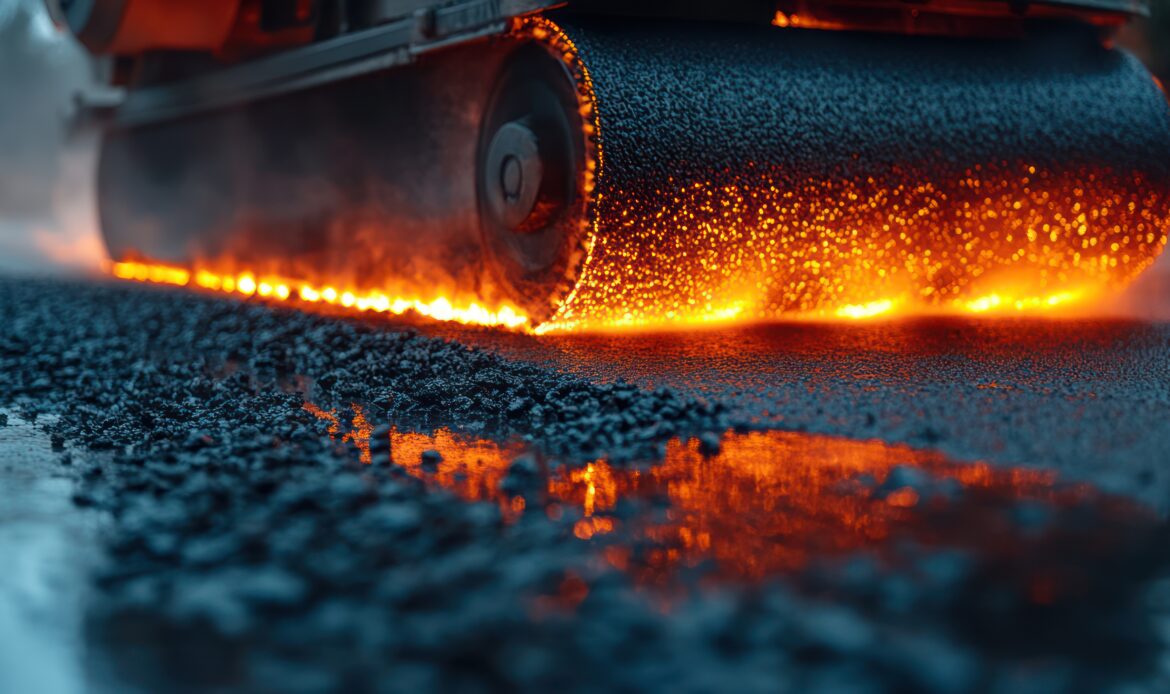
The question “What is bitumen?” is one of the most fundamental considerations in determining quality for infrastructure and road projects. The right bitumen selection, proper production process, and application in compliance with technical standards are the key to durable and long-lasting roads.
As Güven Asfalt, we provide bitumen supply and asphalt solutions in full compliance with international quality standards.